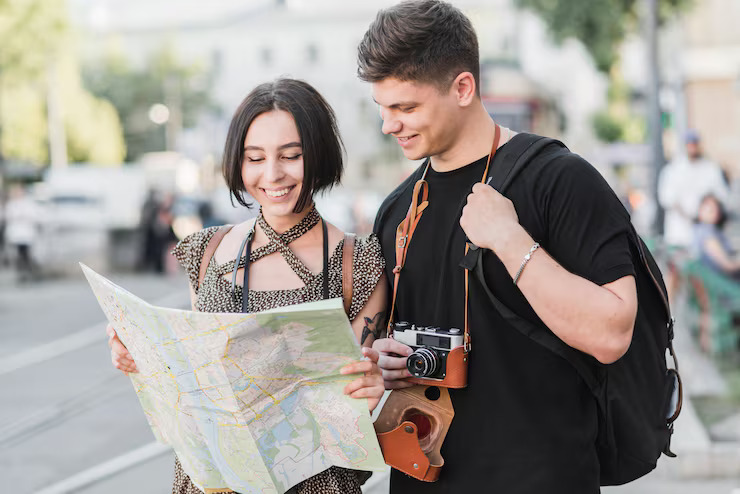
This article is meant to be a brief India travel guide for tourists who need some information about means of transport in India . Anyone traveling to India for the first time is sure to be overwhelmed by the diversity of cultures, languages, people, food, climates and almost everything else. It isn’t possible to write a comprehensive India travel guide which can cover even a fraction of what a tourist may encounter in India. We aim to cover as much vital details as possible without drowning the reader with too much information. We have already posted some India travel guides on this website,:
This guide intends to cover some of the general issues related to transport and travel in India. So let’s begin with :
Travel by trains in India
India has the biggest system of railway lines on the planet and the service is very good, if not excellent. Traveling in India on via train gives you the chance to explore India in detail and in general is cheaper than domestic air travel. Train travel in India offers good connectivity all over India for people with all kind of budgets .For someone with an inquisitive and open mind, it’s a great way of meeting all kinds of Indian people belonging to different regions and classes. There are different types of trains with different levels of service catering to people with different budgets and needs. Trains like Rajdhani, Shatabdi are air-conditioned, fastest in India and provide meals. There are other trains like Duronto, Garib Rath, various Express and other trains which offer varying levels of service at different prices.
Apart from that, there are some luxury trains Palace on Wheels, Maharajas’ Express, The Golden Chariot and a few more. These trains are run jointly by Indian railways and tourism ministries of different states in which they operate. Journeying on these trains covers all aspects of transport, food, lodging and sightseeing. Service and level of comfort offered is among the best in world
One major drawback of trains is that it can prove difficult to procure tickets. Another one are the delays which can happen frequently on long routes. If you are very tight schedule, relying on trains for your India journey can backfire.
Inter-city or inter-state travel in India by Bus
In India, travel by bus is 2nd most popular way of cheap travel and in some cases, the only way of public transport to reach places like Manali, Laddakh etc, not yet connected by train network. There are different types of buses available on budget of the traveler. Ordinary buses are usually very crowded and it’s not possible to reserve tickets. They don’t have any air-conditioning or comfortable seats either, But they are very cheap as even a 5 hour journey may cost only Rs 100. Then there are luxury buses with better seats which may or may not have air-conditioning available. They are generally more comfortable and price for a 7-10 hour journey may vary between Rs 300 to Rs 800 for different places and operators. Tickets in air-conditioned buses cost around 1.5 times to double for same kind of seats.
Apart from these, there are luxury buses operated by private as well as government which offer maximum comfort at slightly higher prices. These buses are usually supplied by Volvo or Mercedes and have more comfortable seating arrangements than the rest.
Travel by Car
Connaught place, Delhi
A car with driver is the most comfortable and safest way of travel in India.It is possible to get a car on rent and drive it yourselves, if you have necessary paperwork, but Indian roads are too chaotic for a foreigner. It’s better to hire a driver along with the car. Salary for driver is about Rs. 150-300 per day which is included in rent for the car and you don’t have to pay for his food or lodging. Different varieties of vehicles have different rent prices and they vary between Rs 8 per km to Rs 20 per km for most models which include Ambassador, Tata Indigo, Toyota Qualis and a few others.
Renting a car is a good option for various reasons as you have much more flexibility and don’t have to worry about following a strict schedule or missing a train or worry about tickets. Having a good driver who can communicate well also means that he can help you with finding good hotels, restaurants and other amenities easily. But be wary of drivers who act as touts. A majority of them try to take tourists to businesses which offer them commissions. It isn’t exactly illegal, but tourists should evaluate their choices before making decisions. They should make sure that they are getting good value for their money for the services availed.
Travel by motor-bikes
Using a motorbike (motorcycle) can be a great adventure if you are up to driving on dangerous roads. Royal Enfield is the most popular brand for motorcycle enthusiasts in India. It’s less fuel efficient but is powerful enough for most Indian roads including those on mountains. Motorcycles with engines of 100 to 220 cc are more common and cheaper and cam offer a mileage of 40kmpl to 70 kmpl depending upon various factors. It is possible to rent or buy new or used motorcycles. Rental cost per day for bikes vary between Rs 600 to Rs 1500 in different places for different bikes. While buying, it’s advisable to go for 2nd hand bikes which may cost anything between Rs 12000 to Rs 40000.
Travel in Indian cities by auto-rickshaws (tuk-tuk)
Auto/ tuk-tuk/three-wheeler is a good albeit slightly uncomfortable choice for short-distance travel inside Indian cities. Due to their small size, they can dodge traffic rush easily but have slow speeds which is actually good due to less safety features. Before getting in to an auto, always confirm with driver about fare. They’ll either go by distance covered on meter or ask for a flat fare. It’s different in different cities. Rest precautions are similar to those followed while hiring taxis anywhere in the world.
Well, this is gist of what a tourist should know about various modes of transport while traveling in India. We hope that it proves useful for some people. Email us at info@indiafoodtour.com or use this contact form for feedback or more information.
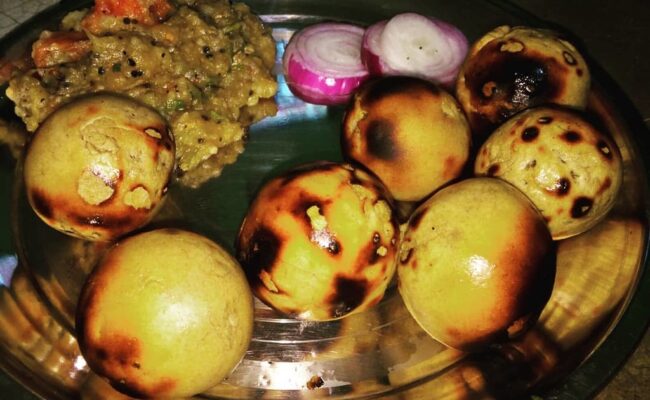
The cuisine of Bihar is largely similar to North Indian cuisine but has influences from other East Indian cuisines especially Bengali cuisine. The scrumptious and exotic Bihari dishes are highly capable of tingling the taste buds of every food connoisseur. Khaja is deep fried in oil and the ingredients use is wheat flour, sugar, mawa. It is very crispy. It tastes amazing when it melts in the mouth and its wafery texture makes it very tempting. It is known for its puffiness. Laung latika is a traditional dessert of the food of Bihar. At the centre is clove which makes it stand apart from the others. The pungent taste of the clove with the sweet stuffing dipped in sugar-syrup melts in the mouth. The complex amalgam of tastes altogether makes Laung Latika exclusive to Bihar. Litti Chokha can be considered as the dish of Bihar. It was started as a meal of poor and then was sold on carts on the street Chokha is prepared by mashing boiled vegetables ,adding spices and chopped onion, garlic etc and served with Litti as a complimentary delicacy. Malpua is a popular dessert sweetmeat that can be found in Bihar.It involves mixing flour, milk, sugar and mashed bananas and deep frying them so that the edges get crispy while the centre is still soft. Thekua is the most commonly prepared snack of Bihari food. It is a mixture of wheat flour and jaggery .One can also use rice flour instead of wheat flour and sugar instead of jaggery to make different varieties of Thekua. Tilkut is made from sesame seeds and jaggery makes its taste more flavored. Tilkut is cooked with a sugar base rolled into a ball filled with copious amounts of crushed sesame seeds. The tilkut gets tastier, softer with sesame seeds.
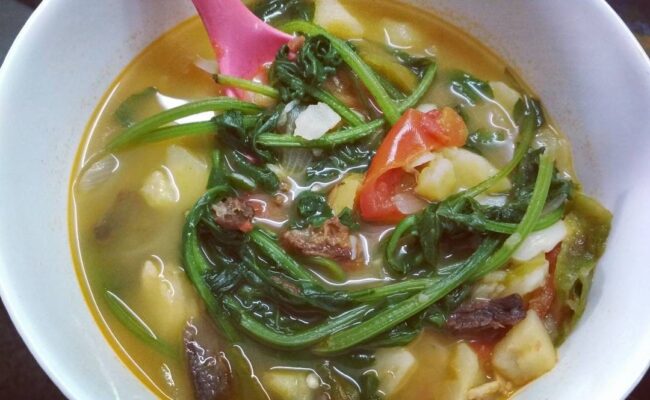
Arunachal Pradesh street food differs from tribe to tribe. As one move toward the eastern side of Arunachal people are dependent on bamboo and other leafy vegetables which are strictly boiled. Fried food is not as popular as people like to eat either boiled or smoked food. Apong is a type of rice beer, which is traditionally prepared by tribes of Arunachal Pradesh.India. Apong is prepared by fermenting rice. The two types are Nogi Apong and Poro Apong.The two apongs differ in their taste and colour. Chura Sabji is a kind of curry made of fermented cheese made by either yak milk or cow’s milk and not to forget the most important the flakes and a few pieces of the King chilly which makes it spicy but delicious. Lukhter is another delicacy of the Arunachal Pradesh.Lukter is a combination of cooked dry meat and chilli flakes from the King chilly or Bhut Jolokia. Like the norm goes with Aunachal, this is a side dish meant to be eaten with rice. Pehak is made by use of fermented Soybean and King chilly. In this dish, the king chilli is used as the main ingredient. It is also used as a side dish with rice. The pickle is hot and very spicy that gives the rice a very unique hot flavor. Pehak is very popular among Arunachalis. Pictures sourced from various sources on internet. Please contact for credits.
This photo series highlights best of street food items from different regions in India. First is Jammu. 1.Kimb a citrus fruit is skinned, juice & seeds squeezed out and then mixed with spices, salt, bit of sugar etc. A sweet, sour and spicy snack commonly prepared in many homes, but rare to find it for sale. 2. Bhijja Kulcha with Rajma (kidney beans). World’s best Rajma are grown in Jammu and this is evident in the number of Rajma dishes available in region. Another popular dish is Raajma Chawal served with mango pickle, chutney and clarified butter on some food shops on NH1 near Banihal. 3.Pattode, made with Colocassia Leaves. These are made in many parts of northern India. But each region has it’s own flavours. 4.Chana Kulcha, a very popular snack food item sold by street food vendors outside schools. Now there are a few other versions of it, like one with soyabean. 5.Kaladi Kulcha . Kaladi is a dense, salted cheese very popular in most parts of Jammu. It may have a bit of fungus on it which gives it a unique flavour. Eaten by heating on a pan with little oil and addition of salt, sauce or spices. It can be eaten with or without the bun. 6.Kachalu chaat. Another very popular street food snack for school children. Made of Taro rootstock and mixed with a wide variety of spices like tamarind, chilli, rock salt, pepper and more. Different places have different flavours. 7. Bhalla. Though this dish is quite common in most of northern India. But residents of Jammu just love these bhallas sold by small vendors in a few bus stands in southern border of Jammu. Served with spicey chutney and radish. Source: Pictures from various sources on net. Please contact for credits.
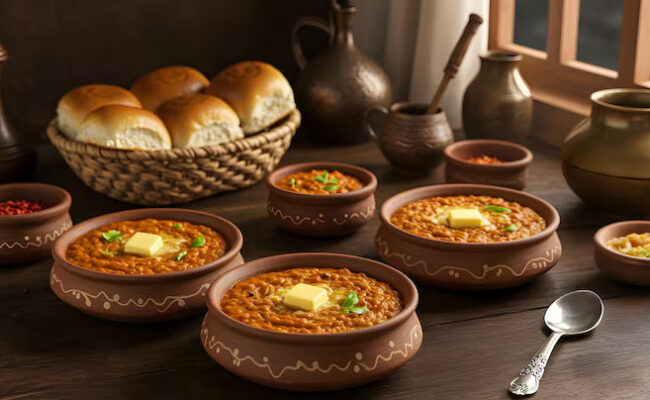
When it comes to food, Maharashtra will never disappoint you. From the world famous pav bhaji to the delicious bhelpuri, Maharashtra has a lot to offer to food lovers. It is food heaven for both vegetarians and non vegetarians alike. Basundi is a sweet dish made in Maharashtra. It is condensed by boiling the sweetened milk on low heat which gives it a nice flavour. Sugar, cardamom or saffron is added to augment the flavour and texture. Different types of basundi are custard apple basundi and angoor basundi. Bhelpuri is a savoury snack common in Maharashtra.It is a mixture of puffed rice, chopped onions,chopped tomatoes,tamarind chutney. Bhelpuri can be served in a lot of ways, but usually it is served on a paper which is folded in the form of a cone and is consumed using a paper spoon. Misal pav has a spicy and tangy lentil curry which is made with moth beans and is served with Pav bread. At times, it is eaten with yoghurt to lessen the spice.It is decorated with a slice of Lemon and Onion Coriander sprinkled on it. This street food is readily available at any street food joint and served hot. Modak is extensively eaten during the Ganesh Chaturthi Festival all around the state. The sweet filling is made up of fresh-grated coconut and jaggery, while the soft shell is made from rice flour, or wheat flour mixed with maida flour. The dumpling can be fried or steamed. Pav Bhaji is one of the spiciest, vegetarian dish. It is a mixture of boiled vegetables along with a lot of Spices and Onion Coriander mixture for garnish.Fresh and thick slices of bread, smothered in butter served with a delicious mix of moderately spiced vegetables. Vada Pav is the most favorite snack in Maharashtra.It is Potato Bhaji ball dipped in Besan Flour and fried in hot oil. It is stuffed in Pav with Garlic Chutney and fried Chilli. VadaPav is super delicious when served hot- hot spicy and slight crunchiness. It is also known as ‘INDIAN BURGER’.
What tourists should know about traveling in India during monsoons Unlike what many people think, traveling in India during rainy monsoon season can be fun. Sure, there are usual reasons against it like unreliable routes, humid weather etc. A random flood or land slide can spoil any well planned travel itinerary. But traveling in India during monsoon season can be advantageous for a number of reasons. Tourists get great discounts on air fares, hotels and also enjoy their sightseeing as peak season crowds are absent. Let us explain a little about Indian monsoons before going any further. India is a a very big country and is justly classified as a sub-continent not only due to it’s size but also the large diversity in terms of landscapes and weather. Evergreen tropical forests in east, cold snow covered Himalayan mountains in north, hot Thar deserts in west, temperate coasts in south and more, these all provide tourists with a wide variety of options and time periods in which to explore the country. There is actually no definite or set time to visit India. Different regions have different peak-season for tourists , but that will need another article by itself. Monsoon is the rainy season in India which lasts from June to September in different parts. It hits Kerala in southern India first in early June and travels northwards. Northern parts of India receive first monsoon showers late June or early July. Not every region experiences equal rainfall or at same time. They all have different experiences with monsoon rains. These rains are very important in economy and lives of everyone in the sub-continent. The arrival of monsoon rains marks the end of infamous hot and dusty Indian summers and makes the conditions cooler and surroundings much more green and beautiful. Indian people like rains and seeing them enjoying the rainfall by getting soaked in the rain showers is a common sight. One of the most common snacks during this season is a combination of Chai ( type of milky Indian tea) and hot Pakoda (a fried salty snack) Here is how tourists can enjoy monsoon travel in India Advantages of traveling during monsoons in India 1) Good discounts in hotels, airlines and other businesses A lot of airlines and hotels offer very good discounts during monsoons due to lean season, which can really decrease your travel expenses. As the majority of people like to stay indoors during rains, tourist activity is much less and you can enjoy your travel in comparative peace and leisure. 3) Different weather, landscapes and customised plans Due to different landscapes and weather in different regions, tourists in India can plan their trips all year round. A tourist in India is not bound to dates in a calendar or weather reports to plan and enjoy the journey. 3) Greenery and pleasant weather Everything comes to life during monsoons in India. The weather is pleasant, cool breeze blow almost all day long and the surroundings are covered with lush new greenery which is a relaxing sight . Places like parts of eastern and central India, Kerala, Western Ghats are even more stunning during monsoons due to clouds and greenery. A lot of rivers are in full flow and this makes for spectacular waterfalls. 4) Cleansing season Many people think that rains of monsoons are have a cleansing effect, Pollution due to smoke and dust particles is minimised and people are generally more comfortable in this cooler weather. Ayurvedic detoxification during monsoon is very popular these days. Some herbs used in certain ayurvedic practices grow only during monsoons and the rains seem to have a good effect on efficacy of certain plants. Precautions for travelers in India during monsoon season Here are some basic precautions that the tourists should observe while traveling in India during monsoons: 1) Carefully plan road trips Mountainous regions almost everywhere are susceptible to road blockages due to landslides, flash floods etc during rainy season. Plans your road trips by taking these factors in to count. 2) Closed wild life parks Most of national parks and wild-life areas are closed for tourists during monsoons. So if you are looking for clicking a rhinoceros, tiger or any other exotic animal, confirm the availability in advance. 3) Consume safe water Although it’s a very general rule, we can’t stress this enough. Don’t drink tap water or even from natural sources like lakes and rivers during rainy season. Always stick to bottled or filtered water. 4) Be cautious of bugs Bugs and other critters like mosquitoes, flies, snakes etc can be a nuisance during rainy season. Keep an insect repellant handy and be careful of where you step or sleep/ That’s everything that we have to say about traveling in India during rainy monsoons for now. We hope that this article may be of some use for travelers. Please feel free to contact us for feedback or more information.
Manipur has been dubbed “The Jewelled Land” due to its natural beauty. The food of Manipur is considered to be very healthy as they use a fresh vegetables a lot. The preparations are simple yet, tasty. Manipuri food is spicy and contains less oil. Chakhao Kheer is a delicious kheer. It has a pleasing shade of purple and is prepared using milk, black sticky rice, and cardamom powder. It’s typically fancy with dried fruits like raisins,cashews or different nuts. It is usually prepared on special occasions like festivals and weddings. Eromba is prepared nearly always with a fish referred to as Ngari. Eromba is made by boiling a large number of vegetables together with some Ngari and king chili. It’s mixed till the mixture becomes sort of a paste. Kangsoi is a vegetable stew that consists of seasonal vegetables that are cooked and flavored with sliced cloves, garlic, onions, salt, maroi and a touch of ginger lidded with ngari, dried fish, or deep-fried fish items and water. The stew is mostly served with rice and consumed piping hot. Singju is a kind of dish that consists of chilies, tomatoes, onions ,finely cut banana stem, cabbage, banana flower, lotus stem, a reasonably scented herb, tree beans, coriander leaves, ginger mixed with ngari fish. Singju is seasoned with red chili powder, salt, roast chickpea powder and roast herb powder.
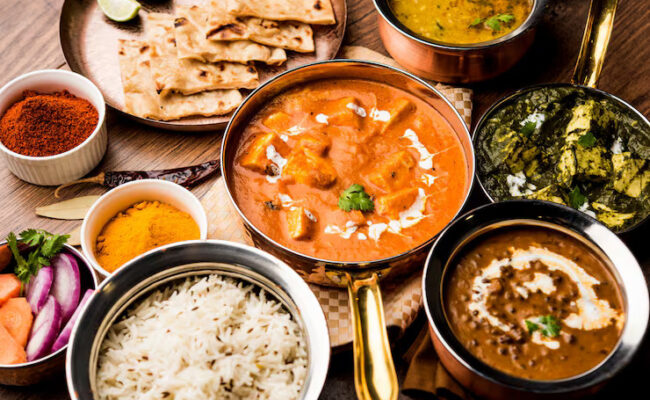
Indian food is known to be one of the most rich and delicious cuisines in the whole world. When you are traveling, you are bound to encounter some Indian food at the restaurants. Most people do not know how to make Indian food and therefore do not know much about it. Health benefits: Indian food is one of the healthiest in the world. It is made with very little oil and never animal fat. This means that it is not likely to result in high cholesterol blood content. This means that it is quite excellent for people who want to stay healthy and not experience cardiac diseases. This food is also made using a lot of spices and herbs. Most of these are known to have not only excellent taste, but they also have medicinal benefits. Some of the spices, such as turmeric, help in boosting the immune system. This means that by eating Indian food regularly, you are able to keep diseases at bay and live a healthy life. Main courses: Unlike other international cuisines which involve a lot of courses, Indian cuisine centers around one main course. This is either rice or bread. The variations in the dishes are brought about by the side servings which are numerous. Indian rice is made through different recipes so you do not feel like you are eating the same main dish every day. For example, you can have pulao rice, masala rice or turmeric rice. There are also a variety of Indian breads such as roti, naan or chapatti. These breads are sometimes made from whole grains and without any adding any fat making them healthy but still tasty. Meats: Indian food includes a wide range of meats apart from beef. However, most of the dishes are vegetarian with protein being obtained from other sources. Some of the popular protein sources for Indian foods include lentils, dried beans, chickpeas and black-eyed peas. This is one of the reasons why Indian food is considered to be quite healthy due to the extensive variety of vegetarian dishes. Spices: Indian foods are made using a lot of spices. Indian curries are quite hot and you may not be able to eat them if you are not used to having pepper in your food. Never the less, you can always make a special request to the chef to make your food without the pepper. This will take away a bit of the hotness but the other spices used will still maintain the flavor. Therefore, it is always advisable that you enquire from the server how spicy a dish is before ordering for it. Variety in recipes: Indian food is never prepared in the same way. Due to the wide variety of spices, you will find that each hotel and chef have their own secret recipes. Therefore, the same dish will taste quite different from one restaurant to another. This is one of the most intriguing things about Indian food and continues to make it a favorite. Next time you are going through ESTA ensure that you include Indian restaurants in your itinerary. Guest post by: Annie Bonneville
Fever Tree, one of premium natural mixer brands held an event launching their premium brand, Robert Parker. The event was hosted by British High Commissioner Sir James Bevan. British deputy PM, Mr. Nick Clegg was guest of honour for the event. POST RELEASE New Delhi, 25th Aug 2014: The age of the dismal mixer is over with the introduction of Fever-Tree (The Premium Natural Mixer) in India. The capital witnessed the sophisticated launch of the iconic super premium brand Fever Tree, The World’s Best Tonic Water – Robert Parker. Making its foray into the Indian Market, this is the first venture of the company in the subcontinent and it has made headline for bring Indian Tonic Water back to India. The event was hosted by The British High Commissioner Sir James Bevan in honour of British Deputy Prime Minister Mr. Nick Clegg’s visit to India. The event was attended by Mr. Tim Warrillowm (co-founder & Director Fever Tree) and Mr. Anuj Kushwah (Managing Director Kaama Impex Pvt. Ltd) who is the importer & distributor for the Fever-Tree Brand in India. An exquisite evening of luxury, delight and splendor, the event celebrated amongst the crème de la crème of Delhi. Proudly served in 7 of the top 10 restaurants in the world Fever Tree is one of the most premium and iconic brand coming out of UK. India is the 50th export market for Fever-Tree. Fever-Tree was recently named Tonic of choice in an independent survey of the world’s leading bars and restaurants Mr. Anuj Kushwah, Managing Director of Kaama Impex Pvt Ltd says “Every decision we take at Kaama is keeping in mind the consumers needs and experiences, hence the choice of bringing Fever Tree to India. Fever-Tree is an iconic brand and we are proud to launch in India.” This August, Fever-Tree, the premium natural drink mixer company, will launch their Indian Tonic Water in India, the home of Gin & Tonic and the brand’s 50th export market. The British company, which sees 70% of sales come from export, is looking to continue its dramatic rise and commitment to bringing consumers the perfect gin and tonic wherever they are in world. Fever-Tree will travel as part of a UKTI delegation led by Deputy Prime Minister Nick Clegg across India. As part of the government policy to boost British export and David Cameron’s commitment to increase trade to £1trn by 2020, the trade envoy will hold events in Delhi, Mumbai and Bangalore from 25th -28th August. Founded in 2005, Charles Rolls and Tim Warrillow identified a need for premium mixers to accompany the fast growing array of superior spirits available on the market and travelled from the Congo to the Ivory Coast in pursuit of the highest quality ingredients. Fever-Tree now has a range of 14 natural mixers and an annual company turnover of £25 million. Tim Warrillow comments: “We are delighted to bring premium quality, full flavoured Indian Tonic Water back to the birthplace of the gin and tonic. In 1820, the Malaria-plagued British Army in India inadvertently created the cocktail by mixing their regular dose of quinine with sugar, water and local fruits and of course their daily ration of gin. We have been championing the gin and tonic boom across Europe over the past years and will now, almost two hundred years later, return an all-natural premium tonic water back to its spiritual home.” Charles Rolls comments: ‘India is now one of the five largest gin markets in the world and will provide us with a long-term platform for growth. Traditionally a whisky market, white spirits have grown in the region in recent years and we hope to capitalise on the popularity of Western drinking habits in bars, restaurants and hotels.” Since its launch, Fever-Tree has collected a vast number of awards, including the Queen’s Award for Enterprise, Exporter of the Year at The Grocer Gold Awards, and the Ernst & Young Entrepreneur of the Year for London and the South. For the third year, Fever-Tree was earmarked by The Fast Track 100 as the fastest growing non-alcoholic drinks company in the UK and included in the highly respected list. About Fever-Tree Founded in 2005, the company is one of the UK’s fastest growing companies with a turnover of £25 million in 2013. Fever-Tree sources the world’s finest ingredients from natural sources, including quinine from the Democratic Republic of the Congo, ginger from the Ivory Coast, India and Nigeria, and lemons from the slopes of Mount Etna, Sicily. Fever-Tree has a portfolio of 12 mixers which are available to buy in the UK from Sainsbury’s, Tesco and Waitrose. Fever-Tree products are served in the most prestigious venues across the world, from Claridges in London to Raffles in Singapore and the Burj Al Arab in Dubai.