Interesting Facts You Never Knew About Your Favourite Pizzas
Pizzas
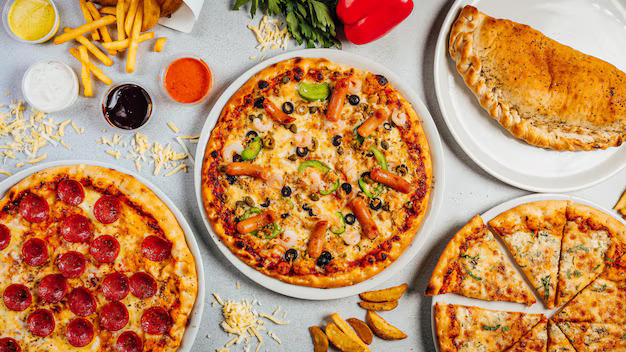
What is flat, round, topped usually with cheese and tomato sauce and can be custom-made to suit each and every palate, be it vegetarian or non-vegetarian? No points for guessing; it’s a pizza! In the present society, where pizza rightfully claims (and actually does) get to your house before even the police can, there is an ever-increasing war of sorts between all the so-called ‘big’ pizza delivery chains in any city.
For instance, in Mumbai itself, there are more than a dozen Pizza Hut Mumbai outlets to choose from! After all, a pizza is like the entire food pyramid rolled into one! And with more and more people warming up to this Italian delicacy, the types and varieties of pizzas available today is truly mind-boggling. That first delectable whiff of your pizza baking in the oven, the scalding of your tongue as you bite into your pizza slice sooner than you should have, the way your mozzarella leaves a trail leading from your mouth to the slice even as you try to pull away and let go, the burst of flavours on your tongue which leaves your taste buds tingling – truly speaking, eating a pizza is an all-encompassing culinary experience in its own right. And the best part of all, a pizza can be prepared in an infinite number of ways, with a different topping or combination of toppings each time.
Interesting Facts About Pizzas:
More than 5 billion pizzas are sold worldwide each year.
The first restaurant which exclusively sold pizzas came up in Naples in the year 1830.
The world record for the fastest pizza making currently stands at 14 pizzas in 2 minutes and 35 seconds.
There’s actually an entire month dedicated to pizzas in the United States since the year 1987 – October is the ‘National Pizza Month’.
The record for the world’s largest circular pizza was set at Norwood Hypermarket in South Africa in 1990 – 122 feet and 8 inches across, weighing 26883 pounds, containing 9920 pounds of flour, 3968 pounds of cheese and 1984 pounds of sauce.
Cheese and tomatoes (considered to be essential components of all pizzas) weren’t added to the early versions of pizzas right upto the late 1800s.
Is Pizza Actually Healthy?
Contrary to popular belief, yes – pizzas are a healthy eating option. Though very often classified under the ‘junk food’ banner, a pizza can be a very wholesome meal, provided you choose the right toppings to go with it. Lycopene, an anti-oxidant found in the skin of tomatoes, is known to fight the destruction of healthy body cells. Studies indicate that it even has the ability to obstruct the growth of cancerous tissues. Also an excellent source of Vitamin C, the tomato sauce on your pizza is extremely good for your health.
Nothing tastes better than a cheese-burst pizza, with dollops of cheese loaded onto and into the crust, right? Wrong. Though it may taste good, but too much of cheese may be more harmful than you think. Okay, we’re not telling you to eat your pizza without cheese (no way), but then, the cheese on top of your pizza crust is more than enough for your body’s calcium requirements at any given time. Also, a thin crust pizza is the healthiest option, as thick crust means nothing except some extra flour and bread, which ultimately adds up to needless calories and hardly any vitamins and minerals.
Heard about paper blotting? Catch hold of a paper napkin and pat the very obvious oil from the top of your slice before biting into it. It’s hard to believe but this method alone is estimated to cut upto 30 calories. And if you love to sprinkle oregano all over your Pizza Corner pizza to give it that extra zing, go ahead by all means – your oregano is a good source of Vitamin K, fibre and manganese. So, as you can pretty much make out by now, there is no reason whatsoever to compromise with your taste when it comes to your favourite pizzas, as long as you don’t go overboard in the choices you make.
On a lighter note:
So then, what would be the best time or occasion to order in a pizza? Well, let’s see if we can make out. Woken up on a lazy Sunday morning and it’s almost noon? Don’t get down to cook, just order in a pizza. When your friends suddenly decide to jam at your place without prior notice, you have no option but to get pizza home delivered. And yes, a different flavour for everyone. If you’re almost out of cash and can’t afford a seven-course meal, the best and most-filling option that you have is a pizza. Down in the dumps at any random time of the day, weekday or weekend? It’s pizza time. Simply put, you’ll feel good by the time you finish your meal.
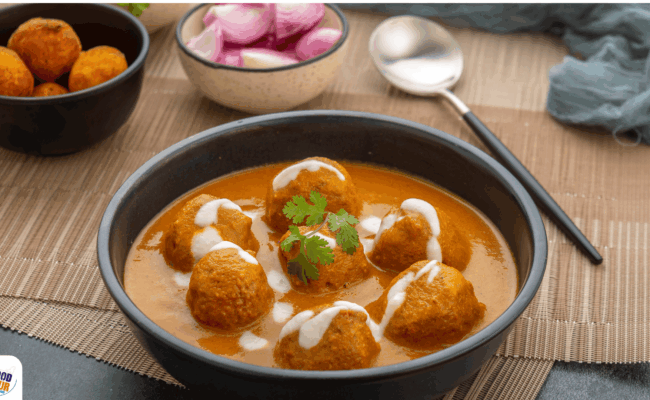
Malai Kofta Recipe The blend of rich creamy texture Malai and combination of Kofta (vegetarian balls) makes this cuisine scrumptious, finger smacking and delicious. In India, this combination was introduced by Moghuls. In ancient times, it is also referred to cooking style of Punjab of using Malai in food. Ingredients:- For Gravy Cream (125 Gms). Paneer or Khoya (75 gms). Milk (150 ml). Cashew nut- (50 Gms). White pepper powder (3 tsp.). Sugar (2.5 tsp.). Grated Ginger (2 tsp.). Nutmeg powder (¼ tsp.). Turmeric powder (1/2 tsp.). Garlic crushed (1 tsp.). Cinnamon (1). Cloves (6). Salt to taste. Ghee (3 tsp.). For Kofta Khoya (50 gms). Paneer (50 gms). Medium sized potatoes- (5). Cashew nuts- (20 Gms). Raisins (20 Gms). Chopped green chillies (4 to 5). Ginger grated (½ tsp.). Chopped Coriander (1 tsp.). Cumin seeds (1/2 tsp.). Salt to taste. For Garnishing Grated cheese or Paneer (1 tbsp.). Chopped coriander- (1 tbsp.). Cooking: Wash and boil potatoes. Mix all the ingredients of Kofta except raisins. Make small balls and then flatten it with cashew and raisins and then again make them into the balls. Repeat the procedure for the remaining dough and keep it on side. Roast cloves, cinnamon, cardamom together. Dry grind them, well grind all other gravy ingredients except ghee. In a skillet, heat ghee and then add dry powders, add gravy paste. After 2-3 minutes, then allow them to fry for 5-7 minutes. Now add 2 cups of water and let them simmer for 15 minutes on low flame. Warm the Kofta on tava. In a serving dish, place the Kofta and then add hot gravy on the koftas, Next place it in a hot oven for 5 minutes Serve hot with various breads or rice.
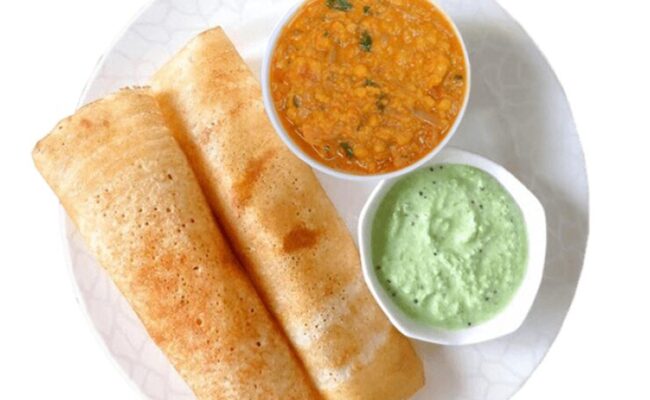
Dosa Sambhar Recipe Dosa is a South Indian dish which is popular worldwide for its unique taste and the crisp feeling. It is eaten as a main course meal in most of South India. Anyone can cook this recipe with ease. It has been sold all over India in restaurants and on the roadside. Some people even sell this recipe on cycles accompanied with Sāmbhar. Now please note down the ingredients to prepare this. For Dosa: Rice- 1 cup Par boiled rice- 1 cup Black gram- ¼ cup Fenugreek seeds Soda Curd Clarified butter Some water For Sāmbhar: Fresh tamarind Sāmbhar powder Fresh onion Fresh tomatoes Fresh coriander leaves Fresh garlic cloves Pigeon peas Butter or oil Mustard seeds Salt Asafoetida Method to make Dosa: Prepare a dal and rice mixture by adding water and fenugreek seeds to it. Now grind all of them together with the help of a food processor. Do not make the mixture is not smooth. It must have some amount of grainy texture. Now add some soda to fragment it and salt for taste. Now leave the mixture for a fortnight or for at-least 8 to 10 hours. The batter must be consistent enough to cover the spoon completely. Now prepare the griddle to make the dosa. With the help of a spoon, pour the dosa mixture in the centre of the griddle in a thin oval shape. Now pour some clarified butter or oil on it. Once the color changes to golden brown, you can remove it with a spatula. Method to make Sāmbhar: Take some toor dal with water in a pressure cooker and let the whistle sound 5 to 6 times. Grind 1 onion, 2 garlic cloves and 4 tomatoes together. Use tamarind juice to give a nice flavour with the help of water. Now add the main ingredient, Sāmbhar powder in it with all the finely chopped vegetables. Keep it on high boil, adding cooked dal and let it boil for a few minutes. Once it has come to the boil, add the onion, garlic paste to it. You also add some salt and asafoetida. Take a pan and place 2 teaspoons of ghee to it. Add mustard seeds to this pan and let them sputter Next add it to the Sāmbhar. Now garnish the Sāmbhar with fresh coriander leaves and serve it with the dosa.
The cuisine of Jharkhand is not very different from its neighboring Bihar. The food of Jharkhand is very light on the stomach and easy to digest. Dhuska is a popular deep fried snack eaten in Jharkhand. The main ingredients of the dhuska are powdered rice, chana dal powder and boiled potatoes.The bread is then deep fried. It is often served with any sauce or chutney. Dhuska is mostly made at the streets where people enjoy it as a snack . Handia is a rice beer popular in the Jharkhand.The making involves the use of ranu tablets, which is a combination of about 20-25 herbs and acts as a fermentor.The ranu tablets are then mixed with boiled rice and left to ferment. It is served cool and has lower alcoholic strength than other Indian liquors. Meetha Khaja is an item which is prepared in almost every household and then exchanged with their friends and relatives during the festive season. It is synonymous to Diwali in the state. This luscious dessert is made maida and sugar syrup and is a must try for all the sweet tooth out there. Pitha are typically made of rice flour, although there are some types of pitha made of wheat flour.The less common types of pitha are made of palm root. Pithas are primarily made from a batter of rice flour or wheat flour, which are shaped and optionally filled with sweet or savory ingredients. itha are typically made of rice flour, although there are some types of pitha made of wheat flour.The less common types of pitha are made of palm root. Pithas are primarily made from a batter of rice flour or wheat flour, which are shaped and optionally filled with sweet or savory ingredients. Rugra is indigenous variety of mushroom and is very delicious to eat. It rich in protein and minerals and high on calorific value. This dish is preferred by the local people and is high in demand during the peak season of Monsoon.
How to cook Kachori We Indians love our snacks. There cannot be a better snack than the humble Kachori. This snack is made and eaten at street stalls around the country. However the best part is that it can be made and eaten at home. Ingredients Urad dal- (½ Cup). Asafoetida– (5 pinches). Ginger and green chillies paste (3 tbsps.) Red chilli powder- (1/2 tsp.). Pepper powder- (1/2 tsp.). Salt- (1/2 tsp.). Oil (8 tbsps.). Maida (3 cups). Oil for frying. Method For stuffing In a vessel, first soak urad dal overnight, then semi grind it with little water In non stick pan heat 2 tsp. of oil and add the Asafoetida. Add green chilli and ginger paste. Put the dal when the oil separates. Stir it nicely and do not allow the dal to stick at the bottom. Add pepper, salt, chilli and mix it well. Continue the stirring procedure till the dal starts to thicken For kachori: Prepare dough with a combination of Maida, oil and salt. Make small balls with this dough. Add the stuffing to the balls and flatten them. Roll them again in rounds and deep fry them Serve them for snacks or breakfast.
Chaat – Indian Street Food Various varieties of Chaat are some of most popular Indian street food dishes and quite more than just snacks for people in India. Chaat is among the lightest, cheapest and most convenient meal to have when someone is in a hurry. Indian street food is incomplete without a mention of chaat. A confusing point that many people don’t get is that a lot of Indian street food items are called chaat. Some of more popular chaat dishes are papdi chaat, gol gappa also called paani puri,and bhalla chaat. Chaat is a street food dish, but some kind of it always served during most parties in India. Even posh, high-end restaurants have started serving chaat items, but they are often beaten by the street food vendors who have been doing it for generationsA large number of chaat food items exist in India, many with completely different flavours, looks and ingredients from the rest. Many chaats are eaten cool and thus are enjoyable even in summer. Pani puris for example, are just water flavoured with digestive spices served in hollow balls made of crisp flour. Sometimes they are garnished with chick peas and boiled mashed potatoes. The flavoured water is usually salty made using pudina (mint), rock salt, pepper, and some other ingredients depending upon where you eat it. For people who like sweetness, bit of sweet and tangy tamarind chutney is added. A number of different flavours among pani puris are available catering to almost every type of fan. The flavoured water is considered to help with digestion and is useful in preventing dehydration during hot summers of India. Many people drink pani puri water by cups. Puris are the most common ingredients for other types of chaats. They are small, crisp and crackle loudly when broken. Boiled or fried potatoes and two or more types of chutney ( a type of sauce) are also used. One chutney, made of imli (tamarind) is sweet and tangy . Second one is spicy and made of pudina (mint), ginger and green chillies. Many street food items, including chaat may or may not have dahi (curd, yooghurt), another popular food item in India. It helps with digestion and makes tolerating excess spiciness easy for people who are not used to it. Dahi bhalla chaat is a very popular and tasty street food item, specially popular during summers. The yoghurt is thickened and sometimes sweetened, giving it a smooth creamy texture which gels really well with bhalla . It is sometimes sprinkled with chaat masala, onion garnishing and bits of fried potatoes.Chaat masala is another thing which helps with digestion but is used more in a wa, not just to increase the flavours. It may have different varieties and ingredients in different places. Most popular are powders of , dried raw mango (aam choor), ginger, pepper, rock salt and dried pomegranates ( anaar daana). Apart from their use as chaat masala, these ingredients are also used in combination with other different ingredients as churan to help with digestion. Bhel puri, from Maharashtra is a very tasty light snack made of sev ( thin noodle like crisps made of besan) and puffed rice. They are sprinkled with chaat masala, chutney and garnished with tomatoes and onions. It’s a good snack to have, light on stomach and low on oil. Aaloo tikki is another very popular chaat dish made of boiled and then crisply fried potato cakes. They are served as soon as they are cooked, garnished with chaat masala, chutney and sometimes yoghurt. It’s a heavy dish due to fried potatoes but it’s popular all the same. McDonalds in India even launched a McAaloo Tikki burger to cash in on its popularity.Even if the chaat may seem heavy or tough to digest, yoghurt and chat masala make sure that your digestive system stays fit and healthy. As with everything else, it’s not good to eat chaat in excess, especially if you don’t know about Indian food in details How to eat chaat or any other food in India While traveling in Delhi or any other Indian city, you will find a number of street food vendors selling different varities of food with chaat vendors being a significant majority. Some of them will be there just to make a quick buck and be done with the whole thing, while others serve their food with pride and care for customers. Important thing is to know how to distinguish between the two. Good street food vendors care for their clientele and serve only the best quality food. You can tell it from their loyal customers. Make sure that the food vendors you visit obey basic hygiene rules. Confirm that the food ingredients are covered and protected from dust and flies. Most street food vendors use disposable plates, but if they are not, make sure that they are clean. Read this article to know more about how to keep safe from water and food related problems while traveling. We hope that this article will help you enjoy Indian street food, specially chaat better. Happy munching. Contact us for feedback, queries or for booking an Indian street food tour. Image courtesy: Wikipedia
Indian Food Recipe: Mutton Roganjosh Mutton Roganjosh Recipe Ingredients Mutton – 1kg. mustard/refined oil – 1cup Red chilli powder – 3 tsp. fennel powder – 3 tsp. ginger powder – 2tsp. cumin powder – 2 tsp. black cardamom – 3 Asafoetida – 1 tsp. Green cardamom – 4 Cinnamon sticks – 2 Bay leaves – 2 Cloves – 2 saffron (optional) – ⅓ tsp. Yoghurt – 1 cup A pinch of salt Procedure Heat the oil in a pressure cooker. Now add cinnamon, bay leaves, green cardamom, cloves, a teaspoon of salt, asafoetida, and mutton. Fry the mutton until it turns brown in colour. Now add 1 cup of water, red chilli powder and saffron. Mix the yoghurt nicely and pour into the pressure cooker and mix well. Keep cooking and stirring until it appears red in colour. Now add 2 cups of water, fennel powder, ginger powder and pressure cook for 2 -3 minutes. Crush the green and black cardamom and add it to the cooker. Sprinkle some cumin powder cook for few more minutes. Serve hot. Image Credit: By gahdjun – Flicr, CC BY 2.0, https://commons.wikimedia.org/w/index.php?curid=3033005
Meghalaya’s natural attractions are the reason why tourists come here once, but the food is why tourists keep coming back. Meghalaya has three Mongoloid tribes and many distinct dishes to indulge yourself or savoury dishes to appease your taste buds. There is something for everyone here. Do’o Kappa is a Chicken in Garo style. It is made be adding ginger paste,grated onions,turmeric to chicken along with soda powder.Water is added for simmering. The dish is garnished with cream and onion leaves. Dohjem is a khasi delicacy is a favourite of many. Enjoy with regular rice or add it to the putharo this dish is finger licking good no doubt. Prepared by cutting pork into small chunks one cannot resist the temptation of this exotic dish . Doh Khleh is a delicious delicacy that comprises of pig brains cooked in curry and eaten with Indian bread. Doh Khlieh is also cooked as a salad with steamed pork, pig brain and onions.One of the extreme dishes of Meghalayan cuisine. Jadoh is the rice dish of Khasi language.‘Ja’ means rice and ‘Doh’ means meat. It is made with rice and pork mixed with the best spices, chopped vegetables and garnished with eggs or fried fish. Tungrymbai is a wholesome dish flavoured by delicious ingredients and served with love. It is made from fermented soya beans, chopped pork, black sesame, ginger, onion and other spices. All these are fried and sauteed together, and the delicious mixture is left simmering for some time to deepen the flavor and taste.
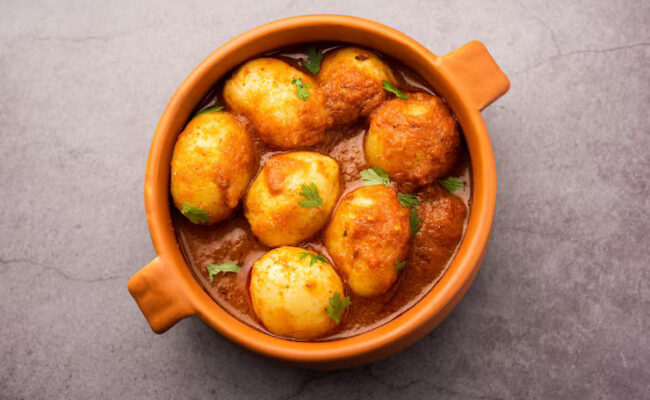
DUM AALOO Dum Aaloo is the most popular Kashmiri potato recipe which is well known for its appetizing flavor. This dish is popular all across the world. This dish has originated from Kashmir and is prepared almost in every household in India. Dum Aaloo tastes excellent served with chapattis, Nan or parantha. So let us learn how to prepare this delicious dish in following recipe. Ingredients: Baby small potatoes – 10 nos. Take 3 tablespoon of mustard oil Two tablespoons of tomato puree Half teaspoon of sugar One large onion sliced Two large cloves of garlic Cashewnuts – 6 Salt as per taste Half a teaspoon of turmeric powder Half a teaspoon paprika chilli powder Half a teaspoon of garam masala – this you can get ready made from the market Preparation method Take a heavy bottom pan and heat the oil. Let the oil be hot enough so that you can easily fry the ingredients Now fry the sliced onions until they are golden brown. Remove them and keep them aside Next fry the baby potatoes until they are brown; now remove them and keep it aside Grind the fried brown onions and the garlic into a fine paste and add to the hot oil Next add all the masalas such as turmeric powder, chilli powder, salt, sugar and garam masala along with a bit of sugar These masalas have to be fried on a low flame for some time until the oil leaves the sides of the gravy. Now add tomato puree, cashew paste and let is simmer for some time. Serve hot with roti or rice.